

Choosing the best time to climb Mount Kinabalu is not as simple as pointing to a calendar and saying, “June looks good.” The mountain has its own mood, and anyone who has been up there will tell you that the weather does whatever it wants.
You can have bright sunshine at Timpohon Gate, light rain at Layang-Layang, and strong winds near the summit all within the same climb. I have to mention this early because many first-time climbers come in with the idea that the mountain will follow the forecast. It does not.
Still, there are patterns. There are months when the skies tend to open up more generously, and there are months when afternoon rain arrives almost like a routine. If you understand these patterns, you will plan a much smoother climb and set realistic expectations.
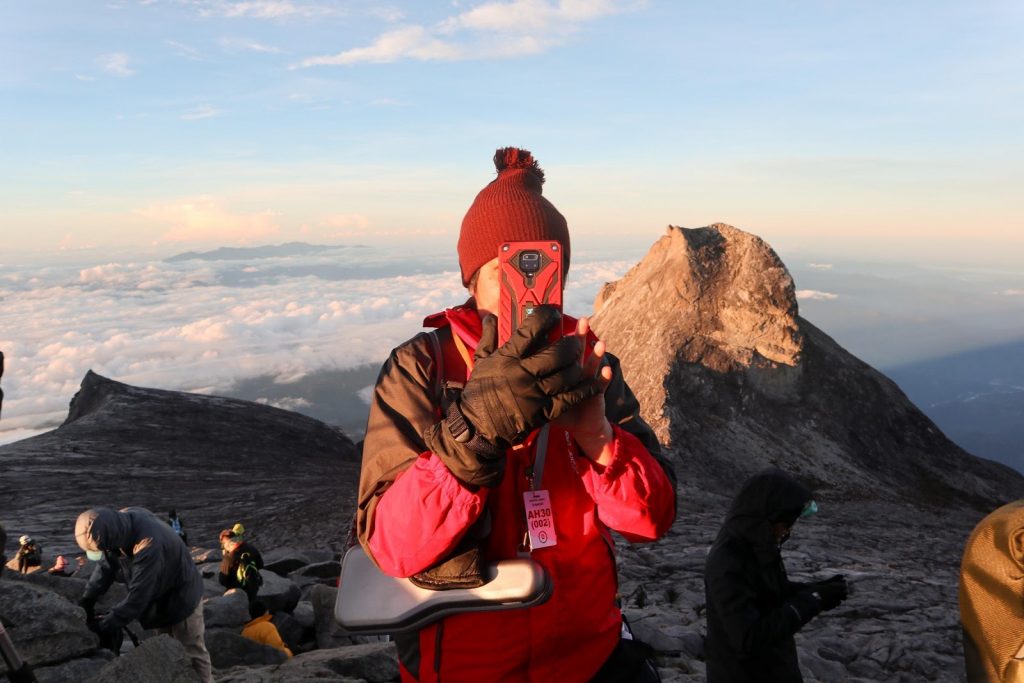
That is really the purpose of this guide. This is to help you know when to go, what the weather usually does, and what many climbers only find out when they are already halfway up the staircase-like trail to Laban Rata.
This weather guide breaks down the climbing seasons, explains rainfall patterns, and shares a few observations that do not usually appear on tour websites. It is not meant to scare you away. It is here to give you a grounded, practical overview so you can choose a climbing month that fits your comfort level, your travel schedule, and your tolerance for unpredictable mountain weather.
Before you choose your dates, it helps to know how the mountain works. Mount Kinabalu is high enough (4,095 metres) to create its own microclimate. The temperature shifts quickly, and the clouds wrap around the peak in ways that look almost intentional.
Different parts of the climb feel like different worlds:

Mount Kinabalu is exposed to the interplay of the Northeast Monsoon and the Southwest Monsoon. These monsoons influence rainfall patterns across Sabah, but the mountain amplifies the effects because of its height. You will probably notice that even a clear morning can turn into a foggy afternoon very quickly. This is normal. The mountain pulls in clouds as warm air rises and cools against the granite face.
At the summit, the temperature can fall to 0°C, and can even go down to -5°C.
Some mornings feel harsher, especially when strong winds hit the exposed granite. Many climbers are surprised by how cold it gets. They expect chilly weather, but not the kind that makes your fingers stiff while holding onto the rope at the summit plateau. It is manageable, but you need to prepare for it.
There is a general agreement among local guides and frequent climbers about when the mountain offers better chances of clear weather. However, I have to mention that no month guarantees perfect views. You are dealing with nature. Even the most “ideal month” can surprise you.
Still, these patterns help a lot.
These months sit just after the Northeast Monsoon. Rainfall is lower, and you will often see long stretches of blue sky in the morning. Many experienced climbers prefer this window.
Why this period is ideal:
You will also notice that these months are the busiest because word has gotten around. If you want quieter trails, avoid school holidays.
These months are usually sunny in the morning and cloudy by afternoon. Rainfall starts to pick up in some years, but not in an extreme way. Many people climb successfully during these months without major weather problems.
What to expect:
A small side note: June often feels warm at the lower elevation, so bring enough water.
This is the period when the Southwest Monsoon influences Sabah. It is not as intense as the Northeast Monsoon, but it still brings more rain. Some days are perfect, and some days are very wet.
Many climbers still manage to reach the summit, but you must be mentally prepared for wet conditions.
Expect:
Some people enjoy this because the cooler air makes the climb feel less tiring. Others prefer to avoid the risk entirely.
You will probably hear locals mentioning that this period is a “wet month.” They are right. Rain tends to be heavier and more frequent during this period because monsoon winds start shifting again.
This does not mean you cannot climb. It simply means you will need a waterproof mindset. Rain jackets, dry bags, and patience are extremely useful.
Expect:
The mountain guides are very experienced, so you will be in good hands. However, you must accept the possibility of weather-related summit closure.
This is the Northeast Monsoon season. Rain can be heavy at times, especially in December, but January occasionally has beautifully clear mornings. It is a hit-or-miss period.
Expect:
Many Malaysian climbers choose these months simply because it matches their year-end holiday schedule. If your dates are fixed, these months are still fine as long as you go in with realistic expectations.
Not necessarily. Many people assume that rainy months mean “no summit.” That is not true. Plenty of climbers still reach the top during the wetter seasons.
What the rainy months actually mean is:
It is more about comfort and probability than impossibility. Some people even prefer the rainy months because the trail feels calm and quiet. You can take your time without crowds behind you. The greenery also looks more vibrant after rain.
There is one thing many climbers only realise when they are already halfway up the mountain. Even when the day starts with calm weather, the summit may still be closed. The park authority monitors upper elevation conditions very closely, and they will pause or cancel the summit push if anything becomes unsafe.
The park authority will cancel the summit attempt when:
None of these decisions is personal. They are simply how the mountain is managed.
Because of this, you need a flexible approach to your trip. Build travel plans that can absorb changes without creating unnecessary pressure. Many climbers feel disappointed when they cannot reach the peak, and I understand that feeling, but the guides will always emphasise that turning back is not a failed climb. It is a safe climb. The mountain stands exactly where it has always stood. You can always return for another attempt.
You may also notice that recent guidance from the park and from licensed operators emphasises the importance of accepting weather-related closures as part of the experience. When the conditions become dangerous, the safest action is to stop and wait. If you arrive with this understanding, the entire climb feels far more enjoyable. There is no need to chase the summit at all costs. Your focus shifts to experiencing the mountain rather than forcing a result.
If you talk to any guide, they will tell you that Mount Kinabalu follows a daily sequence, although I have to point out that this sequence is only a general pattern. The mountain can change it at any time, depending on wind, cloud movement, and overall conditions. Think of it as a useful reference, not something the mountain is obligated to follow.
This is when conditions are usually at their best. Clearer skies. Lighter winds. Better visibility. This is why summit pushes start at 2 am. You want to reach the top before the clouds gather.
Afternoon rain is very common. Warm air rises from the lowlands, meets cooler air at higher altitude, and forms clouds. Many people are surprised by how sudden the rain feels. One minute you are eating lunch at Laban Rata, and the next minute you see mist swirling in.
The temperature drops. Wind sometimes calms down, but it can also pick up without warning. This is the time when many climbers feel the altitude the most.
You can handle almost any weather if you prepare properly.
The best time to climb Mount Kinabalu depends on what you want out of the experience. If you want the highest chance of clear weather, February to April stands out. If you prefer quieter trails or cooler temperatures, other months have their charm as well. There is no single perfect month. The mountain behaves differently every year, and that is part of what makes the climb memorable.
What matters most is going in prepared, mentally and physically, and understanding that Mount Kinabalu rewards those who respect its unpredictability. Whether you climb in the dry months or the rainy ones, you will walk away with a story you will remember.