
Timpohon Gate is the main entrance for climbers starting their Mount Kinabalu hike. Located at an elevation of 1,866 meters near the Kinabalu Park Headquarters, it serves as the official starting point of the popular Timpohon Trail. In this article, you’ll find essential information about what to expect when you start your journey from Timpohon Gate and tips to help you prepare for an unforgettable climb.
Just after beginning the ascent on the Timpohon Trail, you will encounter Carson’s Fall, a notable landmark named after the first Park Warden of Kinabalu Park. This early marker is historically significant and marks the descent point from the initial climb before the trail continues through mossy forests and various shelters towards the summit.
Kinabalu Park stands as one of Southeast Asia’s most celebrated natural treasures. Recognized as a UNESCO World Heritage Site, this vast protected area is home to Mount Kinabalu—the tallest mountain in Malaysia and the highest peak between the Himalayas and Papua New Guinea. Spanning 754 square kilometers, Kinabalu Park is a haven for biodiversity, boasting over 6,000 plant species, 326 species of birds, and more than 100 species of mammals.
The park’s unique geography and climate create a mosaic of habitats, from lush tropical lowland rainforest to cool montane forest, misty cloud forest, and windswept subalpine meadows. This diversity makes Kinabalu Park a paradise for nature lovers, botanists, and adventurers alike. The Mount Kinabalu Summit Trail, which begins at the primary entry point, draws climbers from around the world eager to experience the challenge and beauty of the summit trail.
Managed by Sabah Parks, Kinabalu Park is dedicated to conserving its extraordinary natural resources while promoting sustainable tourism. Whether you’re trekking through mossy forests or marveling at the panoramic views from the mount kinabalu summit, every step in Kinabalu Park is a journey through one of the world’s most remarkable ecosystems.
Kota Kinabalu, the vibrant capital of Sabah, is the closest city to Kinabalu Park and serves as the main gateway for climbers and trekkers. Located just 88 kilometers from the park, Kota Kinabalu offers a full range of amenities, including comfortable hotels, diverse restaurants, and well-stocked shops—making it the perfect base for your Mount Kinabalu adventure.
Beyond its practical conveniences, Kota Kinabalu is a destination in its own right. Visitors can explore the striking Kota Kinabalu City Mosque, delve into local history at the Sabah State Museum, or browse the lively Gaya Street Sunday Market. The city’s rich cultural tapestry blends Malay, Chinese, and indigenous influences, reflected in its bustling nightlife and renowned seafood restaurants.
Traveling from Kota Kinabalu to Kinabalu Park is straightforward, with regular bus and taxi services connecting the city to the park headquarters. Whether you’re preparing for your climb or unwinding after your trek, Kota Kinabalu provides a welcoming and dynamic backdrop to your Kinabalu Park experience.
The Kinabalu Park Headquarters is the primary entry point for all climbers and trekkers embarking on the Mount Kinabalu summit trail. Conveniently located near the town of Ranau, the park HQ is the central hub for logistics, information, and support. Here, visitors can find a range of facilities, including accommodation, dining options, and equipment rental, ensuring a smooth start to their adventure.
At the Kinabalu Park Office, climbers can obtain their essential climbing permit, register for their ascent, and arrange for a mountain guide or porter. The knowledgeable staff are on hand to provide guidance, answer questions, and help you prepare for the unique challenges of the mountain. The park’s information center and museum offer fascinating insights into Kinabalu Park’s flora, fauna, and cultural heritage, enriching your understanding of this remarkable UNESCO World Heritage Site.
Whether you’re a seasoned mountaineer or a first-time visitor, the Kinabalu Park Headquarters is your gateway to a safe and memorable journey up Mount Kinabalu.
Climbing Mount Kinabalu requires a valid climbing permit, which is mandatory for all climbers. However, permits cannot be purchased separately by the public. Every climber must secure a climbing package that includes accommodation at Panalaban (such as Laban Rata, Pendant Hut, or other mountain lodges), a climbing permit, mountain guide services, and other required fees.
The main costs typically include:
Optional costs may include:
Most climbers book through licensed tour operators, as climbing slots are limited and accommodation on the mountain is required for all summit attempts. Booking several months in advance is highly recommended, especially during peak travel seasons.
For a standard 2D1N Mount Kinabalu climb, package prices generally start from around RM1,500–RM2,500 per person, depending on accommodation type, nationality, and package inclusions.
Planning ahead ensures you secure your preferred climbing date and allows you to focus on enjoying one of Southeast Asia’s most iconic mountain adventures.
A mountain guide is an indispensable companion on your Mount Kinabalu journey. These trained professionals, registered with Sabah Parks, accompany climbers along the summit trail, ensuring safety and providing expert support every step of the way. Their deep knowledge of Kinabalu Park’s terrain, weather patterns, and unique challenges makes them invaluable for both novice and experienced climbers.
Your mountain guide’s primary responsibility is your safety. They offer practical advice, help you pace your ascent, and are prepared to handle emergencies with basic first aid and rescue procedures. Guides also enrich your experience by sharing insights about the mountain’s flora, fauna, and history, turning your climb into a learning adventure.
Hiring a mountain guide is arranged at the Kinabalu Park Headquarters, and it’s essential to choose someone with experience on Mount Kinabalu and proper registration with Sabah Parks. With a dedicated guide by your side, you can tackle the summit climb with confidence, knowing you’re in expert hands.
Mountain guides are mandatory for all Mount Kinabalu climbers, and independent climbing is not permitted. Guide assignments are regulated by Sabah Parks and are based on the number of climbers in a group. Typically, one guide can accompany up to five climbers, although additional guides may be required for larger groups.
For most visitors, mountain guide fees are already included in their Mount Kinabalu climbing package booked through a licensed tour operator. Guides will accompany climbers from Timpohon Gate to Panalaban on Day 1 and continue the summit ascent to Low’s Peak in the early hours of Day 2 before descending back to Kinabalu Park.

Timpohon Gate serves as the main access point for climbers beginning their journey to the summit of Mount Kinabalu. Located at an elevation of 1,866 meters, this gate is situated near the Kinabalu Park Headquarters (Kinabalu Park office), making it easily accessible for all adventurers. As the primary entry point for the standard route, Timpohon Gate holds significant importance in the journey to conquer Mount Kinabalu’s heights.
Kinabalu Park itself is a UNESCO World Heritage Site, recognized for its ecological and cultural significance. This status highlights the park’s rich biodiversity and the importance of preserving its unique ecosystem. From the minute you step through Timpohon Gate, you are entering a world teeming with life, where every step takes you deeper into an ecological treasure trove.
The Timpohon Trail, which begins at this gate, has become the preferred route for climbers after the 2015 earthquake. This new trail replaced the old route and features improved safety elements such as new stairs and climbing aids, making it the standard ascent route for all climbers. The excitement of what lies ahead will propel you forward, eager to explore the wonders of Mount Kinabalu.

The adventure begins with securing a climbing permit, a necessary step for anyone wishing to tackle the Mount Kinabalu climb.
Each climber must be accompanied by a licensed mountain guide, whose mountain guide fee varies depending on the group’s size and age. These guides are invaluable, offering not just direction but also insights into the trail’s history and the natural wonders along the way. Upon registration, climbers receive a Climber ID tag, a badge of honor that must be displayed throughout the hike.
The initial part of the hike from Timpohon Gate is relatively gentle, letting you ease into the trek. The trail winds through lush montane forests, offering glimpses of the diverse flora and fauna that make this area so unique. As the trail ascends through the mossy forest, you will encounter a steep staircase made of gnarled tree roots, marking one of the more challenging sections early on. If you start before dawn, you will rely on torch lights to illuminate the path in the early darkness. The anticipation builds as climbers trudge higher, each step bringing you closer to the summit climb that awaits.
The journey from Timpohon Gate (1,866m) to Panalaban (3,272m) is the first stage of the Mount Kinabalu climb and covers approximately 6 kilometres. While the distance may appear short, the trail involves a continuous ascent through diverse montane and cloud forest ecosystems, making it a physically demanding but rewarding experience.
The trail is well-maintained by Sabah Parks and features stone steps, wooden staircases, and designated rest shelters along the route. As climbers gain elevation, the surrounding vegetation gradually changes from lower montane forest to mossy cloud forest, creating a unique environment found only at higher altitudes.
One of the earliest landmarks along the trail is Carson’s Falls, a small waterfall named after George D. Carson, the first Park Warden of Kinabalu Park. The waterfall offers a refreshing stop before climbers continue their ascent.
Along the route, climbers will pass several designated rest shelters including Kandis Shelter, Ubah Shelter, Lowii Shelter, Mempening Shelter, Villosa Shelter, and Paka Shelter. These shelters provide convenient locations to rest, hydrate, and enjoy the surrounding mountain scenery.
As the climb progresses, sections of the trail become steeper and more exposed. Around Villosa Shelter and Paka Shelter, climbers will notice more open rocky terrain and occasional panoramic views of the surrounding valleys, weather permitting.
Near the upper section of the trail, climbers will pass Paka Shelter, the final major resting point before reaching Panalaban. Located at approximately 3,080 metres above sea level, this shelter serves as an important checkpoint for many climbers preparing for the final push to the overnight accommodation area.
After several hours of climbing, most climbers arrive at Panalaban, the overnight base camp area where accommodations such as Laban Rata Resthouse and other mountain huts are located. Here, climbers rest, have dinner, and prepare for the early morning summit attempt to Low’s Peak.
The trail from Timpohon Gate to Panalaban is more than just a route to the summit. It offers an opportunity to experience the remarkable biodiversity, unique mountain ecosystems, and breathtaking landscapes that make Kinabalu Park a UNESCO World Heritage Site.
Several notable landmarks and rest shelters help break up the ascent between Timpohon Gate and Panalaban.
Kandis Shelter (1,981m) is the first shelter encountered after leaving Timpohon Gate and serves as an early resting point for climbers adjusting to the climb.
Ubah Shelter (2,081m) and Lowii Shelter (2,267m) provide additional rest stops as the trail gradually gains elevation through dense montane forest.
Mempening Shelter (2,515m) marks the transition into cooler, moss-covered cloud forest environments. This section of the trail is known for its rich biodiversity, including orchids, tree ferns, mosses, and various species of pitcher plants that thrive in Kinabalu’s high-altitude conditions.
Villosa Shelter (2,691m) offers one of the more scenic sections of the climb, with occasional openings that provide views of the surrounding landscape.
Paka Shelter (3,080m) is the final shelter before Panalaban and a popular location for climbers to take a longer break before completing the day’s ascent.
Throughout the journey, climbers will encounter changing vegetation zones, unique mountain flora, and spectacular natural scenery. These landmarks not only serve as important rest points but also highlight the ecological diversity that makes Mount Kinabalu one of Southeast Asia’s most remarkable mountain destinations.
Acclimatization is crucial for a successful summit climb. Climbers are encouraged to take a minimum of three days to acclimatize to the altitude before starting their hike. This gradual approach allows your body to adjust to the lower oxygen levels, reducing the risk of altitude sickness.
As you ascend, it is essential to:
Listening to your mountain guide and following their advice can also greatly enhance your acclimatization process. These experienced professionals know the trail well and can provide valuable tips to help you adjust to the altitude. Taking these steps increases your chances of safely reaching the summit and enjoying the journey.
Mount Kinabalu is a biodiversity hotspot, home to an astounding variety of plants and animals. With up to 6,000 species of plants, including 866 species of orchids, the flora along the trail is nothing short of spectacular. You will pass through different ecological zones as you hike, from lowland rainforest to montane forest, cloud forest, and subalpine meadows, showcasing Mount Kinabalu’s incredible diversity and its cultural and ecological significance.
The mossy forest continues to enchant hikers with its mystical atmosphere, where gnarled tree roots and drifting clouds create an otherworldly scene. This section is often described as a mossy world, filled with drifting clouds, orchids, and moss-covered trees, creating a vibrant and enchanting environment. Notable plant species include the unusual pitcher plants grows and vibrant rhododendrons, each uniquely adapted to the mountain’s environment. Near the Mempening Shelter, you can observe wild begonias, adding to the trail’s botanical beauty.
Wildlife enthusiasts will be thrilled to spot various animals along the trail, including playful wild squirrels and tree shrews. The diverse habitats provide a haven for these creatures, offering a glimpse into the rich biodiversity of Kinabalu Park. Each step on the trail is an opportunity to observe and appreciate the natural world in all its glory.
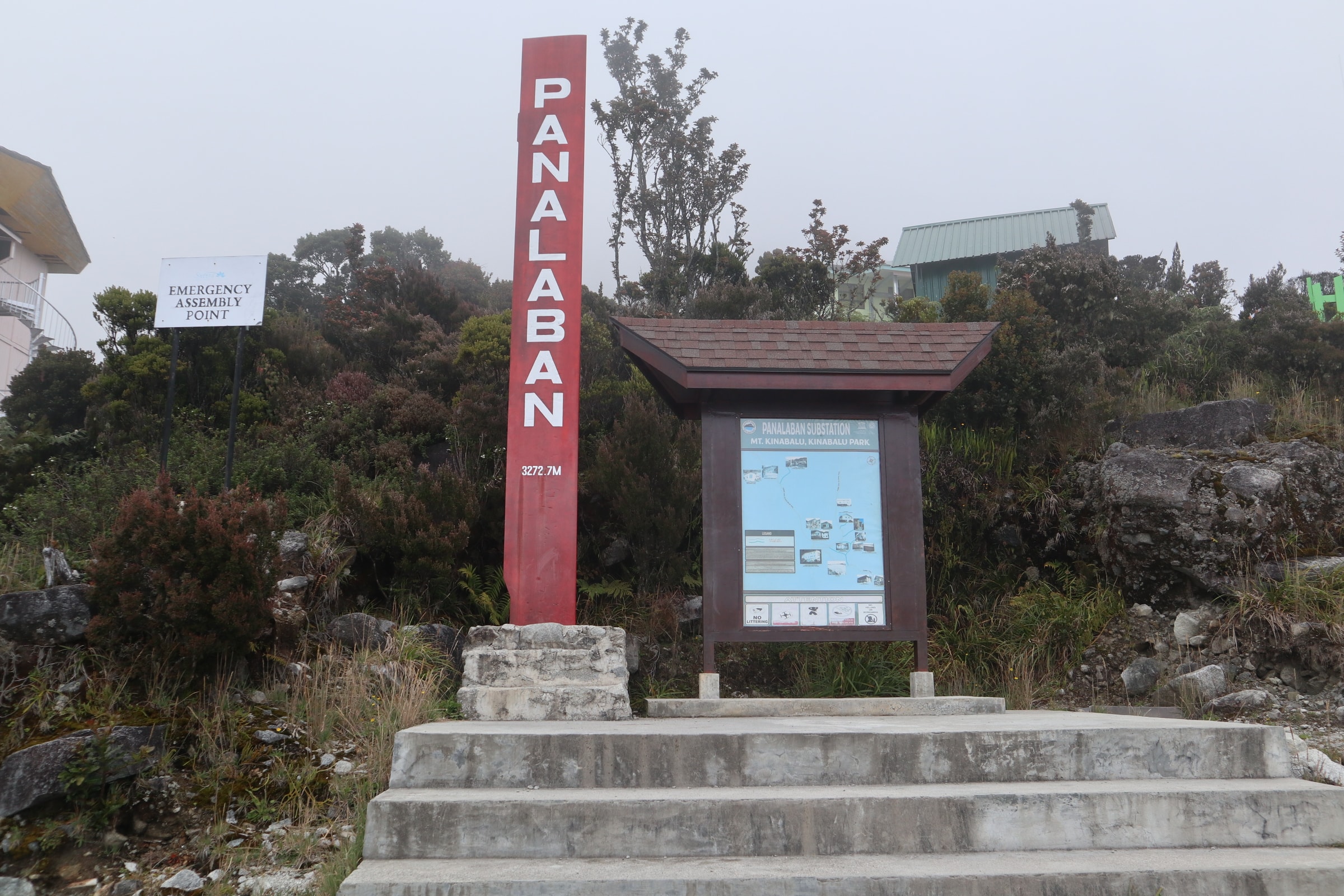
Arriving at Panalaban Base Camp is a significant milestone in your Mount Kinabalu adventure. Situated at an elevation of 3,272 meters, this base camp offers various accommodations:
Each facility features dormitory-style bunk beds and shared bathrooms, providing a comfortable resting place before the final destination ascent.
Pendant Hut stands out for its free water refills and the availability of hot drinks, making it a popular choice among climbers. Dinner is served at the Laban Rata Resthouse restaurant, where dietary restrictions are accommodated as best as possible. However, electricity is limited, affecting the availability of hot showers, so it’s advisable to be prepared for basic amenities.
Staying at high altitudes requires some adjustments. It is recommended to wear trousers, a jumper or sweatshirt, and a windbreaker while sleeping to stay warm. The anticipation builds as you rest and prepare for the summit climb, knowing the final challenge awaits at dawn.
The final push to Low’s Peak, the highest peak of Mount Kinabalu, requires careful preparation. Climbers should wear lightweight clothing for the first day and warm, windproof attire for the ascent to the summit. Temperatures can drop to 4°C or lower at the peak, making proper cold-weather gear essential.
After preparing, climbers reach Sayat-Sayat Hut, the highest shelter and a key checkpoint before the summit. Beyond Sayat-Sayat Hut, the trail traverses bare granite slabs, which are challenging and exposed, demanding caution and stamina. This section is known for its eerie moonscape, with a stark and otherworldly landscape that adds to the sense of adventure as you approach the top.
Essential items for climbing include:
At Panalaban Base Camp, accommodation is limited, so it’s essential to reserve in advance. With your gear ready and your spirit high, the summit climb is the ultimate test of endurance and determination, leading to the exhilarating moment when you stand atop Low’s Peak Summit, the highest point on Mount Kinabalu.
After reaching the summit, the journey is far from over. Descending back to Timpohon Gate follows the same path used for the ascent. The descent can be challenging, putting pressure on the legs, so trekking poles are highly recommended for improved stability and comfort.
Climbers generally reach Timpohon Gate by around 2 PM, marking the end of an unforgettable adventure. The return journey offers a chance to reflect on the incredible experience and the natural beauty witnessed along the way. As you descend, Carson’s Fall and other familiar landmarks serve as reminders of the trail’s challenges and rewards.
The final steps back to Timpohon Gate are filled with a sense of accomplishment. You’ve not only conquered Mount Kinabalu but also experienced the rich biodiversity and stunning landscapes of Kinabalu Park. This adventure will stay with you long after you’ve left the mountain behind.
Kinabalu Park is a treasure trove of experiences beyond the Mount Kinabalu climb. The park, a UNESCO World Heritage Site, offers visitors a chance to explore its rich biodiversity through various activities in Sabah parks. Stroll through the botanical gardens or explore nature trails to immerse yourself in the park’s natural beauty.
Guided tours often include stops at local markets, where you can experience the indigenous culture and crafts of the area. The Poring Hot Springs, located within the park, provide a relaxing retreat where you can soak in natural thermal pools and rejuvenate after your hike.
For those seeking adventure, the park’s canopy walk offers breathtaking views of the rainforest from high above. Enhancing kinabalu park experience means diving deeper into the wonders of this unique ecosystem, making your visit truly unforgettable.
Climbing Mount Kinabalu is an adventure like no other, starting from the Timpohon Gate and culminating at the summit of Low’s Peak. Along the way, hikers experience diverse landscapes, rich biodiversity, and the camaraderie of fellow adventurers. The journey is challenging yet rewarding, offering a profound connection to the natural world.
Whether you’re a seasoned climber or a first-time hiker, the experience of Mount Kinabalu leaves an indelible mark. From securing your climbing permit to descending back to Timpohon Gate, every step is a testament to your resilience and spirit of adventure. Embrace the journey, and let the memories of Mount Kinabalu inspire your future explorations.

Classic normal climb · Shared dorm

Most popular climb · Shared dorm
Normal climb · Private room

Extra acclimatisation night · Shared dorm

Extra acclimatisation night · Shared dorm

Extra acclimatisation night · Private room

Introductory Ferrata · Shorter route

Best summit rate · Full experience

Introductory Ferrata · More time

Full experience · More time
Yes, you need a climbing permit to hike Mount Kinabalu.
To effectively acclimatize before your hike, take at least three days to gradually ascend, stay well-hydrated, and follow your mountain guide’s advice to mitigate the risk of altitude sickness.
On the trail at Mount Kinabalu, you can expect to see a variety of wildlife, including wild squirrels and tree shrews, along with 6,000 species of plants. This rich biodiversity enhances the experience of your hike.
Panalaban Base Camp provides various accommodation options such as Laban Rata Resthouse, Pendant Hut, Panalaban Hostel, and Lemaing Hut, all featuring dormitory-style bunk beds with shared bathrooms. These options cater to the needs of trekkers seeking comfortable resting places.
Pack warm, windproof clothing, a head torch, gloves, and a packed lunch to ensure you’re prepared for the temperature drop during your summit climb. Having the right gear is essential for a successful ascent.