
Sabah attracts visitors who want to experience coral reefs, dense rainforests, Mount Kinabalu, and encounters with wildlife found nowhere else. These experiences draw thousands of travelers to Borneo each year. What makes a trip successful isn’t just visiting these places. It’s getting to them and through them without running into preventable problems.
Travelers face specific travel conditions in Sabah that they wouldn’t encounter at home. The terrain is unfamiliar, distances are longer than they appear, and infrastructure outside main cities differs from what you might expect. Preparation isn’t about being afraid of Sabah. It’s about understanding what you’ll actually encounter so you can enjoy activities without unnecessary stress or danger. Someone who has thought through their movements, activities, and contingency plans typically has a far better experience than someone improvising as they go.
Many travelers assume they can figure things out once they arrive. This approach often results in wasted time calling around for activities that are fully booked, showing up at locations during poor conditions, or using transportation that’s less reliable than planned options. Taking a few hours before departure to think through your itinerary, check what’s available, and confirm bookings prevents days of problem-solving once you land in Sabah. These travel safety in Sabah will give you a clearer understanding of how to plan your trip and avoid common travel issues.

Tens of thousands of visitors come to Sabah every year and complete their trips without significant problems. Tourism businesses, guides, and accommodation providers have refined their operations to handle visitors. Roads have standard markings, hotels have established security procedures, and guides understand what visitors need. The infrastructure exists because tourism has been happening here for decades.
Solo travelers exploring Sabah can do so effectively when they use resources that other solo travelers use. Staying in commercial areas of cities, using registered taxis or app-based rides, and joining organized tours for activities puts you in an environment where the business model depends on things going smoothly. Booking group tours also means you meet other travelers and don’t navigate everything alone. Many solo travelers actually feel more confident moving around Sabah than in some other Asian countries because the tourism industry is mature and English-speaking.
Couples experience Sabah much the same way. Beaches have visitors, restaurants operate safely, and hotels cater to couples regularly. Parents bringing children should plan itineraries around what works for their kids’ ages and energy levels. An eight-year-old and a four-year-old need different pacing. Families spending one full day exploring Kota Kinabalu versus trying to fit in island trips, waterfalls, and wildlife centers all in one day will have completely different experiences. The first works smoothly; the second becomes exhausting for everyone.
The main tourism areas in Sabah include Kota Kinabalu, Kundasang, Mount Kinabalu, Sandakan for wildlife tours, and the Tawau–Semporna area. Popular island destinations such as Sipadan and Sabah’s marine parks are well-prepared for tourism, with organised boat services, visitor facilities, and experienced local operators. Tourism businesses in these areas handle visitors daily, so standard safety procedures and operational systems are already part of their regular operations.
Kota Kinabalu’s downtown areas can get crowded, especially around markets and shopping spots. In busy places, keep your belongings secure. Avoid keeping your phone in a back pocket and don’t leave bags hanging loosely on one shoulder. Keep valuables in front of you where you can see them.
E-hailing services are the most convenient way to move around Kota Kinabalu. Apps like Grab show the fare upfront, so you know the cost before the trip starts. This helps avoid price confusion and makes planning easier. Always double-check the vehicle plate number and driver details before getting in. Use the app to share your trip with someone if you’re traveling alone, especially at night.
Choose accommodation with basic security features like a reception desk, CCTV, or controlled access. Once you check in, take a moment to note emergency exits. Use the room safe for passports, cash, and other valuables instead of leaving them out in the open.
For personal security, split your cash and cards instead of carrying everything together. Keep copies of important documents separately from originals. When using ATMs, withdraw smaller amounts in busy, well-lit areas. In public places like cafes or beaches, don’t leave belongings unattended, even briefly.
Island trips in Sabah involve boats. Before you get on one, spend two minutes looking at it. Does it look like someone maintains it? Are the railings secure? Do you see life jackets available? A boat that’s been used regularly for tours will show signs of maintenance and care. If a boat looks like it hasn’t been cleaned or maintained, that’s information. Ask if there are life jackets available.
Sea conditions in Sabah can change within hours. Mornings may be calm, while afternoons can bring stronger winds and rougher waters. Guides constantly monitor weather and may shorten or cancel trips for safety. If a trip is ended early or rescheduled, it is a safety decision, not a service failure.
Follow all boat instructions without exception. Rules like staying seated while moving or storing cameras before reaching reefs exist to prevent injuries and accidents. Most incidents happen when people ignore simple guidance during movement or sudden waves.
Licensed tour operators use registered boats, trained guides, and required safety systems. They also carry insurance and maintain equipment regularly. Safety standards are part of their operating cost, not an optional extra. Choosing licensed operators ensures structured safety procedures and better-managed risk throughout the trip.
Driving in Sabah is generally safe, but road conditions are different from city driving. Highways are in good condition, but rural roads can be narrow, uneven, and less consistently maintained. You may also encounter potholes, sharp bends, and animals on the road such as cattle, dogs, or wild boar. Driving slowly and staying alert is essential because conditions can change without warning.
Distances often take longer than expected. Roads pass through hills and small settlements, so a short distance on the map can take much more time on the ground. Planning extra time helps avoid rushing and reduces driving stress.
Night driving is not recommended, especially in rural areas. Visibility drops significantly, and animals are harder to spot. Fatigue also affects judgment more than most drivers realise.
Professional transportation providers like those booked through licensed travel agencies have drivers who know the roads and drive them regularly. They know which roads have problems, which towns have checkpoints, and how to handle the traffic patterns. When you book transportation through a licensed operator, you’re getting experienced drivers with vehicles maintained on schedules. That reliability is part of what you’re paying for.
Sabah’s jungle is dense, with similar-looking trees, vines, and ferns everywhere. Always stay close to your guide, as they use natural landmarks and experience to navigate safely. If something catches your interest off-trail, ask the guide instead of exploring alone.
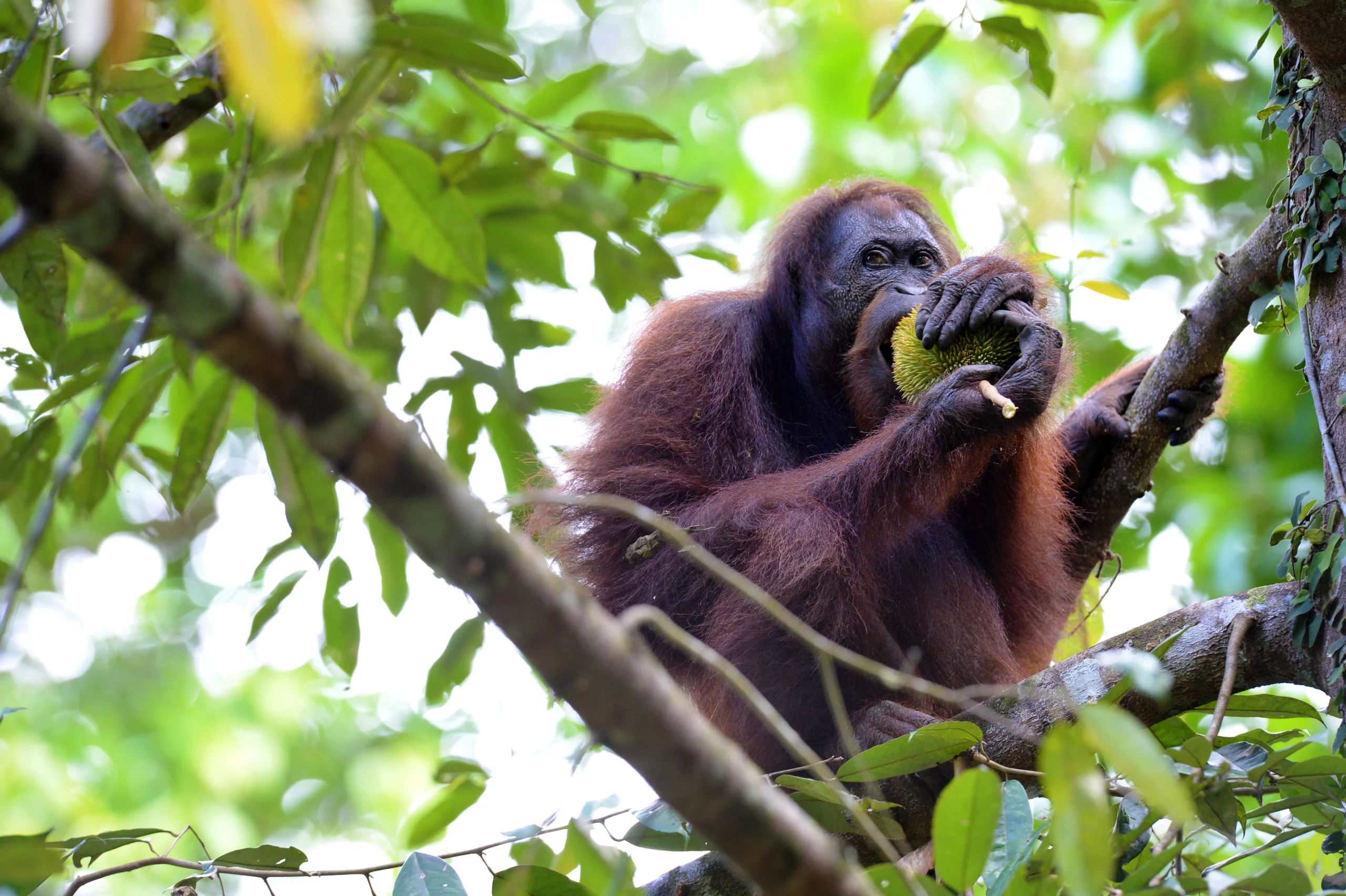
Wild animals in Sabah, including orangutans, monkeys, wild boar, civets, and snakes, generally avoid humans. Most encounters happen when people get too close or move unpredictably. Staying quiet and sticking with your group helps prevent disturbing wildlife and reduces the chance of unwanted encounters.
Problems usually occur when visitors try to approach animals, touch unknown plants, or step into hidden areas. Some plants can irritate skin, and insects or snakes may be nearby even if not visible. Follow your guide’s instructions strictly, especially when they warn you not to touch or step forward.
Proper preparation is also important. Bring enough water, wear sun protection, and use sturdy shoes with good grip since trails can be muddy and slippery. Lightweight long clothing helps protect against scratches and insects. Always inform your hotel or tour operator of your hiking plan so someone knows your location and expected return time.
Sabah’s climate is hot and humid. You lose water through sweat even when you don’t feel thirsty, which can lead to dehydration. This affects focus, mood, and decision-making. To prevent this, carry a 1-liter water bottle and drink regularly throughout the day instead of waiting until you feel thirsty. Start the day hydrated and keep drinking, especially during outdoor activities like waterfalls, markets, or island trips.
Mosquitoes are common in Sabah and can carry diseases such as dengue fever. Bites are often not noticed immediately. Use insect repellent with DEET on exposed skin and reapply after swimming or heavy sweating. Wearing long sleeves and pants during early morning and evening helps reduce bites. Sleeping under a mosquito net or staying in rooms with window screens provides extra protection.
Rain is frequent, especially during monsoon seasons. A lightweight rain jacket helps you continue activities without disruption. Staying slightly wet from rain is normal in tropical travel and usually not harmful if you remain comfortable.
Travel insurance is strongly recommended. Medical care, emergencies, or evacuation can be expensive. Insurance covers these costs and reduces financial risk. It should be arranged before traveling, not during an emergency.
Keep essential contacts saved or written down: embassy or consulate, hotel, travel operator (if applicable), and the nearest hospital. Emergency numbers differ by country, and having them accessible is important if your phone battery dies or you lose signal. If you booked through a travel operator, they can assist with emergency coordination.
Many travel issues in Sabah come from poor planning. A visitor decides a week before arriving that they want to visit Sabah, without researching what activities are available or when they can be booked, then spends the first two days trying to figure things out. Popular activities like diving, island tours, or mountain climbing have limited slots. If visitors arrive during a busy season without prior booking, they may find everything fully booked and unavailable.
Another common situation is when visitors arrange everything on their own without understanding travel distances. For example, booking island tours in the north and a Mount Kinabalu climb in the center on back-to-back days, without realizing that travelling between these areas takes most of a day. This leads to more time spent on the road and rescheduling instead of actually enjoying the trip. Spending an evening before arrival to plan an itinerary and confirm bookings can save several days of unnecessary stress after landing.
Weather is another factor often ignored. Sabah’s monsoon seasons affect sea conditions and outdoor activities, especially between May to September and November to March. Some activities may still run in light rain, but strong winds and rough seas can lead to cancellations. Not checking seasonal weather patterns before choosing travel dates often results in missed plans and disappointment, especially for island or water-based activities.
Tour operator choice also matters. Unlicensed operators may offer cheaper prices, but they usually skip insurance, safety standards, and proper equipment maintenance. If problems happen, there is no protection or support. Licensed operators are more structured, with insurance coverage and safety procedures in place, which makes a clear difference when unexpected situations occur.
A common misunderstanding is treating Sabah as a small destination. In reality, distances between places like Kota Kinabalu, Kundasang, Sandakan, and Tawau are significant. Trying to fit too many destinations into a short trip results in most of the time being spent travelling rather than experiencing activities. A slower itinerary with fewer locations allows for a smoother and more enjoyable trip.
Licensed travel agents in Sabah play an important role in making travel smoother, safer, and more organised. They are not just booking intermediaries. They work closely with local operators, monitor service quality, and manage real-time travel conditions on the ground. This helps travellers avoid common issues like poor coordination, unavailable activities, or unexpected disruptions.
Licensed travel agents in Sabah work directly with boat operators, guides, drivers, and hotels they know personally. They know which operators maintain their boats, which guides handle situations professionally, and which drivers have good safety records. Their recommendations are based on real customer feedback collected over time, not guesswork. Operators who perform poorly are dropped, while reliable ones continue to receive bookings. This creates a natural system of accountability that unlicensed operators don’t have.
When a licensed agent creates your itinerary, they’re considering what’s realistic within your time and interests. They’re thinking about logistics, which activities take how long, what times boats depart, how long driving between locations actually takes. They confirm with service providers that spots are available and that conditions make activities possible. They’re coordinating multiple pieces so everything flows together. On your end, you receive a plan that works. You know what to expect and what comes next. This removes uncertainty and last-minute scrambling.
Agents based in Sabah know current conditions that outsiders don’t. They know if a road is temporarily bad. They know if a restaurant changed hours or closed. They know if a site is under maintenance. They know which times of day certain areas are crowded. They hear from other agents and operators about what’s happening.
If something changes while you’re traveling, they adjust your plans. If the weather turns bad, they suggest alternatives. If a site closes unexpectedly, they know other options. This local knowledge prevents you from showing up somewhere to find it closed or unsafe.
Licensed agents arrange transportation with drivers they’ve vetted. They arrange activities with guides who have training and work regularly. The quality control is higher because the agent’s reputation depends on these providers performing well.
Agents lose business if guides are unprofessional or drivers are reckless. They only work with providers who show up on time, treat customers well, and manage situations professionally.
The overall benefit is that safety extends beyond physical safety into safety from wasted time, missed activities, and stress. You have professionals handling the details. If something goes wrong, you have someone to contact who understands the situation and can help. The investment in booking through a professional travel agency pays for itself through smooth experiences, reduced stress, and activities that actually happen as planned.
Sabah welcomes visitors consistently because the tourist infrastructure works. Tourism businesses, accommodations, transportation providers, and guides have refined their operations through years of experience. You can move around safely by using these established systems. People visit Sabah regularly and come home with great experiences because they understood what they were getting into and made basic preparations.
Safe travel is partly about luck, as bad things are always statistically possible, but it is mostly about decisions. Every decision you make before and during your trip affects what happens. Booking through licensed operators affects your experience. Choosing accommodations with security affects your experience. Pacing your itinerary affects your experience. Following guide instructions affects your experience. These are not requirements you are forced to follow, they are choices that change how your trip goes. Someone who makes thoughtful choices typically has a good trip. Someone improvising often runs into problems.
As you plan your trip, think through what you want to see and do. Consider how long things actually take. Be realistic about pacing. Research licensed travel agencies and tour operators. Ask questions about safety, experience, and how they handle unexpected situations. Book with confidence. Once you’re in Sabah, stay alert, follow advice from people who know the area, and enjoy the experiences you came for. Thousands of travelers do this successfully every year. With preparation and the right choices, you will too.